Rand Paul Says $1.5 Trillion Dollar Budget A "Rotten & Terrible" Way To Govern
Kentucky Senator Rand Paul takes aim at the Washington swamp, declaring his vehement distaste for the hastily made budget deal.
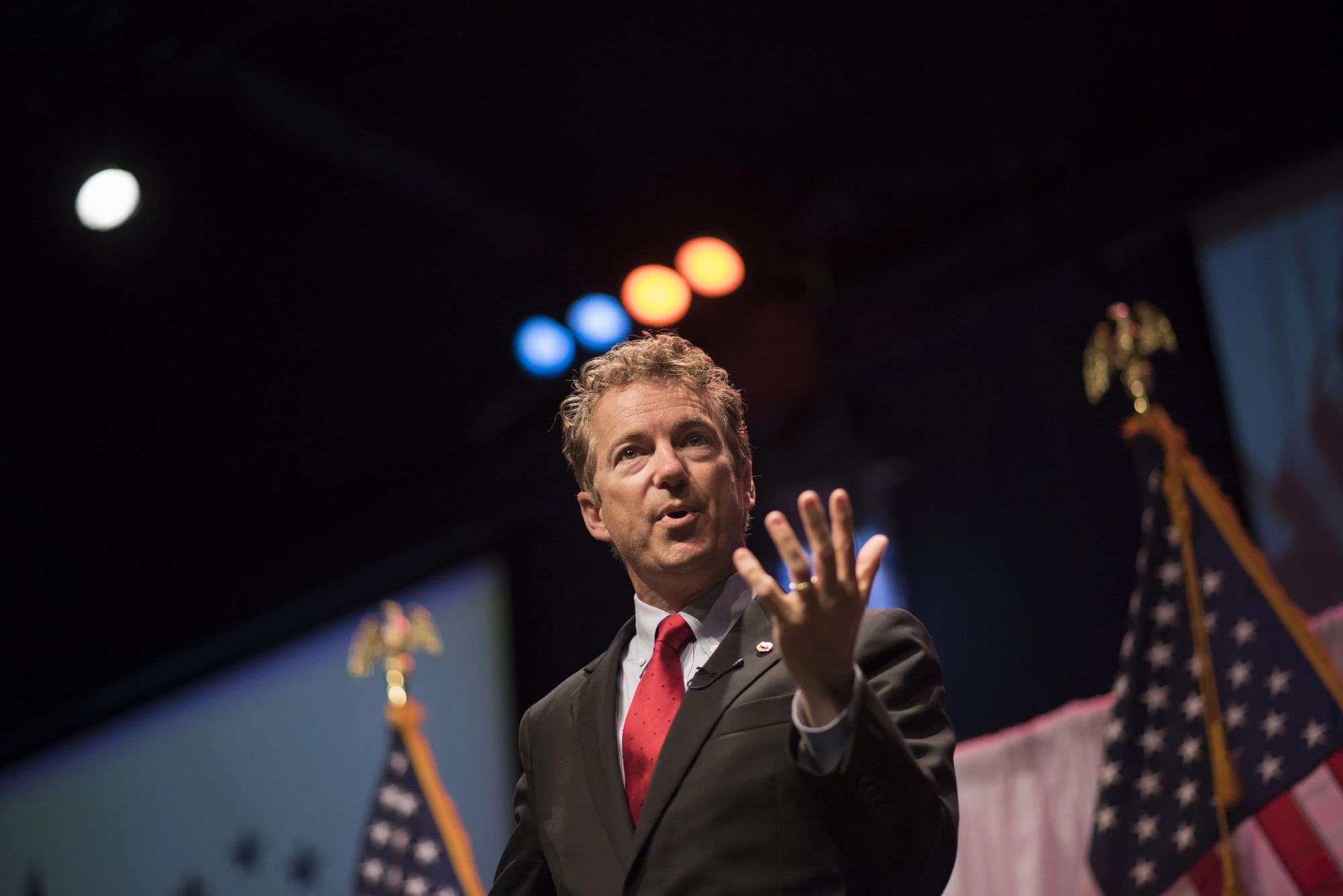
With Congressional Leaders finalizing a budget plan that is set to cost the American taxpayer more than $1.5 trillion dollars, one patriotic doctor from the great state of Kentucky is voicing his distaste with what has become the never-ending tide of DC’s centralized economic planning. Bemoaning the more than 2,000-page document laid before Congress on Wednesday as impossible to read before a vote that is planned for Thursday, Paul slammed his conservative allies for going along with the massive spending bill.
The budget plans to increase military and domestic spending while gun control advocates and Trump’s own border wall will have to wait for next year’s draft. Also absent from the legislation is a financial provision for “Dreamers” that Democrats had pushed for in the weeks leading up to Thursday’s vote. Likening his House Republican colleagues to Democrats, Paul held back little in voicing his displeasure with the party line voting.
It’s a good thing we have Republican control of Congress or the Democrats might bust the budget caps, fund planned parenthood and Obamacare, and sneak gun control without due process into an Omni…wait, what?
— Senator Rand Paul (@RandPaul) March 21, 2018
Only a month ago, Rand Paul stood on the floor of Congress and decried the inane apparatus of governance that demands legislators read through thousands of pages of documents only hours before casting their votes. Today, he echoed those statements by telling McClatchyDC that the budget bill is a “rotten, terrible, no good way to run your government.”
Incredulous over an estimated 21% budget increase, Paul spent the better part of an hour attempting to understand why the federal government was proposing such a massive increase in spending:
Of the 234 Republicans in the House of Representatives, only 67 voted against the February bill that would expand budget spending. According to the Congressional Budget Office, the proposed legislation could add more than $300 billion dollars in spending over the next 10 years. Then again, it’s tough to be certain when you’re expected to read through a more than 2,000-page document the night before casting a vote.
I have less than 60 minutes to offer this amendment to strike gun control from the 2,232 page omnibus funding bill. #ditchFixNICS pic.twitter.com/T6Ku7xOM6i
— Thomas Massie (@RepThomasMassie) March 22, 2018
While many Republicans have chosen to ally themselves with RNC leadership, principled conservatives like Mr. Paul & Mr. Massie have taken note of the hypocritical message that finds Republicans, not Democrats, actively lobbying to raise budget spending.
While his Republican counterparts were incensed by Paul’s refusal to vote for the budget in February, his grandstanding successfully gave a voice to those in this country who believe the federal government is an out of control spending machine. Citing Obama’s presidency as his reason to run for Congress, Dr. Paul aimed his critical lens on supposed limited government politicians who were quietly voting to pass a bill that could raise our country’s deficit by more than $1.2 trillion dollars over the next 10 years.
Some Trump supporters were angered by the massive budget and pleaded for President Trump to take action and veto the bill. Commentators were quick to suggest that the budget includes too much money for Planned Parenthood, Sanctuary Cities, and Obamacare.
The government is shutting itself down with every new horror-show of a budget. Wake up. WE ARE GOING BROKE. Pretending we’re not isn’t going to make it go away. Grow a pair Congress & stand for something. Vote this disaster down before we all go down w/this sinking ship.#Omnibus
— Dan Bongino (@dbongino) March 21, 2018
Outside of the budget increases to military and infrastructure spending, the bill plans to also include additional spending for a number of underfunded issues facing Americans. Added financial support for the opioid addiction crisis, strengthening school security and medical research at the National Institute of Health are included in the legislation.