Post-Scarcity is Utopian and Unattainable in Society
Post-scarcity is simply not possible, considering humanity's most valuable resources, time and energy, will always be finite.
In today’s world of identity politics, there are many views on how the world should be run. During this debate, however, scarcity is often ignored when calculating the opportunity cost of different policies.
Scarcity and Post-Scarcity in the Modern World
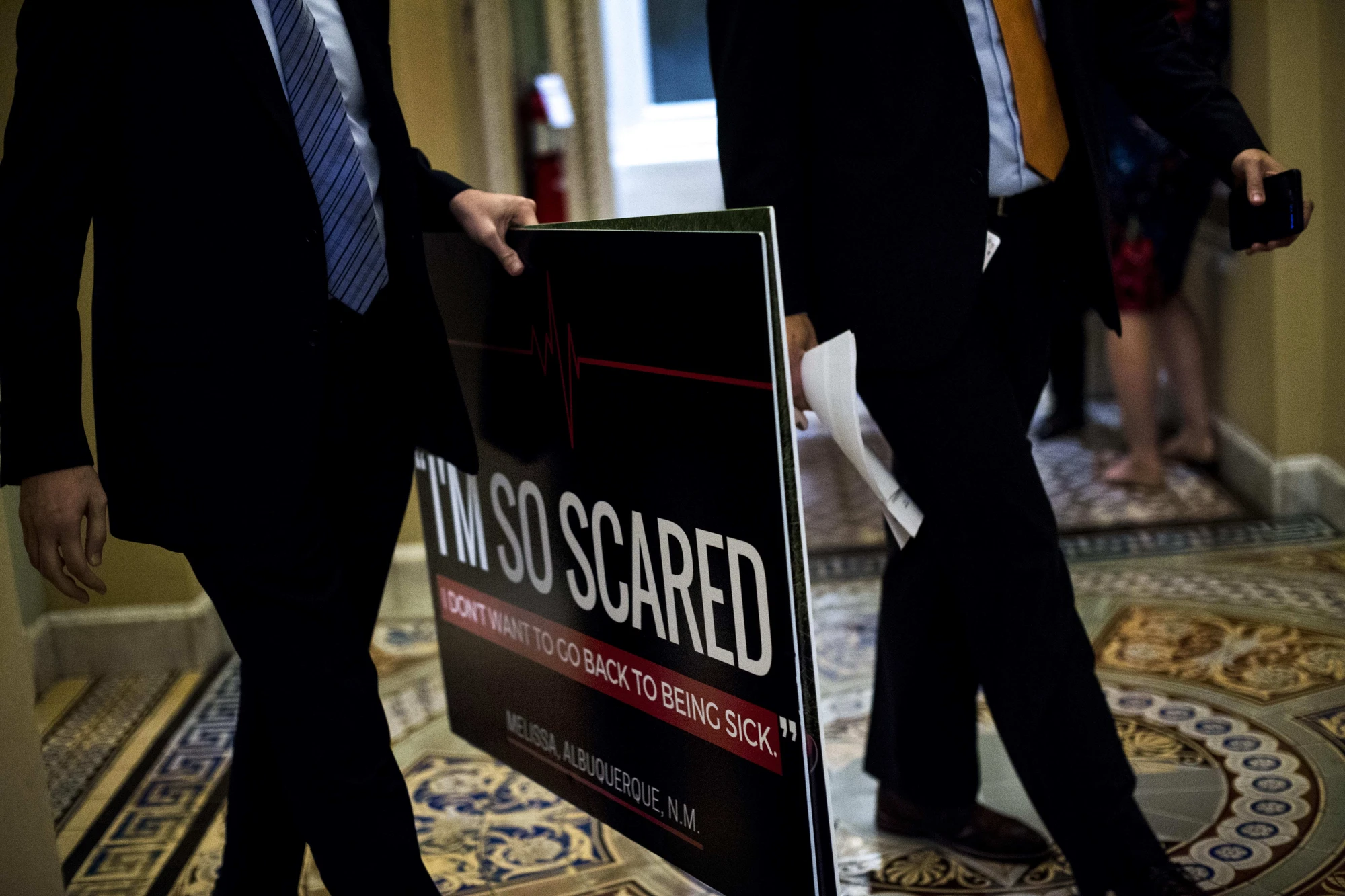
The best example of ignoring scarcity in our time is universal healthcare. Essentially, the supply of healthcare is less than the demand for it. While we all agree that everyone should have access to healthcare, the fact remains that we cannot provide such a system without violating someone else’s rights.
This means that the only way universal healthcare can actually work is if we lived in a post-scarcity society, which will likely never happen. Since the universe, as far as we know, is finite, we cannot have infinite resources.
Scarcity, Capitalism, and Communism
However, if we factor for scarcity, it becomes clear that communism vs capitalism is a fool’s choice. If you boil it down, the main desire of communism is that the workers collectively control the means of production. In a free market system, individuals privately own the means of production in search of a profit. Capitalism is naturally voluntary, and over time, lowers prices to all individuals. On the other hand, when universal healthcare forces the creation of price ceilings, the market is thrown out of equilibrium. This, as a result of scarcity, creates a shortage.
Take, for example, medishare or any other voluntary cooperative. It is jointly run by its members in order to reach a mutual goal. With a group incentive of paying off medical bills, each individual is able to thrive. Yet, they do so without giving up their rights.
On the other hand, coercive social programs offer no incentive for success. For instance, the state prohibits people on disability from having another income source. By providing a service, but requiring no contribution, government cannot cover the demand with enough supply. The same is true with all modern safety nets. Social security costs more than what is being put in, and thus, supply cannot cover demand.
Is Post-Scarcity Possible?
Anarchists often leave out this important factor of scarcity as well. This is why Elon Musk’s utopian post-scarcity anarchism will never work. Post-scarcity is not achievable since it neglects two very important and rather scarce items, time and energy. Both are vital to our life, but neither are infinite.
We all seek a longer life and yet extending our life is painstakingly slow. The few results we do see are miniscule, compared to the age of the universe. Even if we did find the cure to our mortality, we would die. It would just come at the eventual day when the stars burn through their fuel, leaving us without energy.
“When I can build anything I want whenever I want it, there’s no real point in using force to maintain control over a surplus.” -Human Iterations
Post-scarcity solving the need for a surplus, (as Iain M. Banks describes in his series called “The Culture”) is Musk’s eventual utopian goal. However, this simply will never occur, even in an immortal world. If someone knows that the universe is dying, they would stockpile materials to prolong the inevitable a little longer.
At the end, that would nullify any post-scarcity attempts. Without a doubt, the two most important things to our survival are going to disappear. All ideologies must address scarcity, but how we do so could change the world. The choice comes down to the market. Do we allow nature to take its course and seek an equilibrium? Or, is it justifiable to allocate some resources to benefit a group of people at the expense of others? Only the former recognizes the equal rights of all.