Philosophy is Not Dead.
Despite what many may think, philosophy still has great value in today's society and has several practical applications as well.
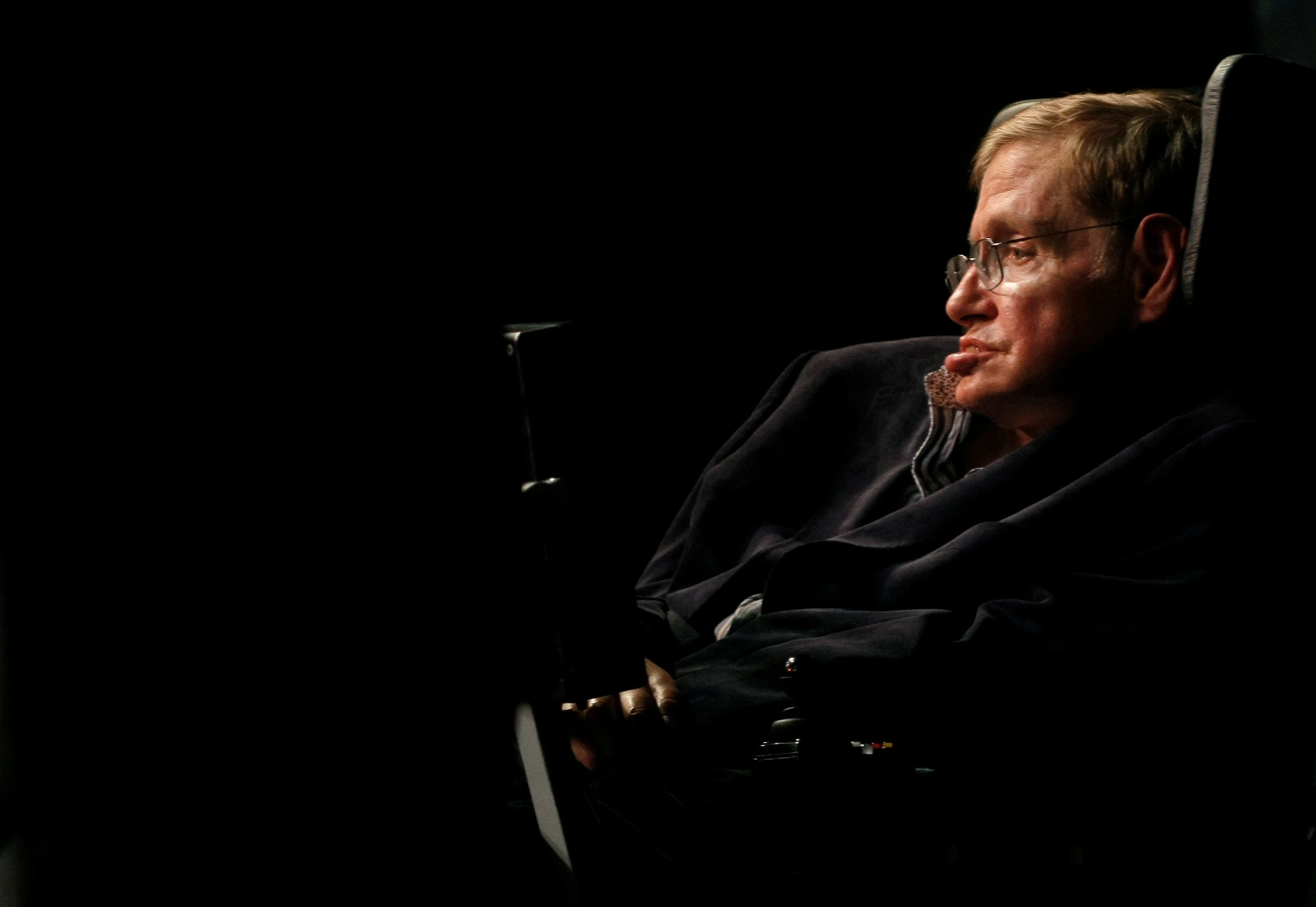
Does philosophy have an important role in contemporary society? The late Stephen Hawking asserted that it does not, declaring that “Philosophy is dead.”. Hawking argued that scientific progress in physics renders philosophy irrelevant. He was not alone in this assertion among his scientific peers. In 2014, Neil deGrasse Tyson suggested that philosophy, as it relates to physical sciences, is needlessly absurd:
From Tyson’s perspective, the future seems to lie strictly in the hands of scientific knowledge. To be completely fair, Tyson suggests that there are productive fields for philosophy such as ethics and politics. However, these criticisms speak to a broader disdain for philosophy as a useless discipline. Society increasingly values expertise in STEM fields. Such expertise is highly useful, but it only covers means, not ends. Technicians can create increasingly powerful weaponry. However, they cannot answer the question of when they should or should not be used. Such an answer requires not only knowledge (What military intelligence do we have?), but wisdom (Is this a just war?). Thus, any political question becomes a philosophical question as well. Far from being a obscure debate over concepts, philosophy is perhaps more relevant than ever.
Socrates, the father of European philosophy, and Plato, his influential pupil, understood this. To them, scrutinizing the meaning of meanings was highly important. Why was it worth it? Although Socrates and Plato rarely came to a definitive conclusion on a subject, they saw the search’s value. It prevented creative and moral stagnation. In a discussion with a Greek aristocrat named Meno, Socrates reflected on virtue’s meaning. While Tyson might have shrugged his shoulders and told Socrates that he didn’t have time to examine such a useless subject, both Meno and Socrates persisted. Perhaps sensing that Meno felt as Tyson might have, Socrates responded:
Indeed, Socrates was willing to sacrifice his own life to pursue such meanings. Charged by the dogmatic Athenians as a blasphemer, Socrates boldly defended his aims. Can anyone not doubt his sincere devotion to truth when reading his Apology?
Tragically, they were not persuaded. Socrates was executed for philosophy’s sake.
If philosophy is dead, we have decided that the unexamined life is worth living. Instead of pursuing truth, we have resigned ourselves to bleak ignorance. Instead of dreaming of a discovery, we say that there is nothing left to uncover. It is a world without hope and without possibilities. No, philosophy is not dead. It is very much alive and the world is better because of it.