
An Influential Member of Congress Holds Cryptocurrency
Members of Congress are finally beginning to embrace the revolutionary cryptocurrency movement via blockchain technology.
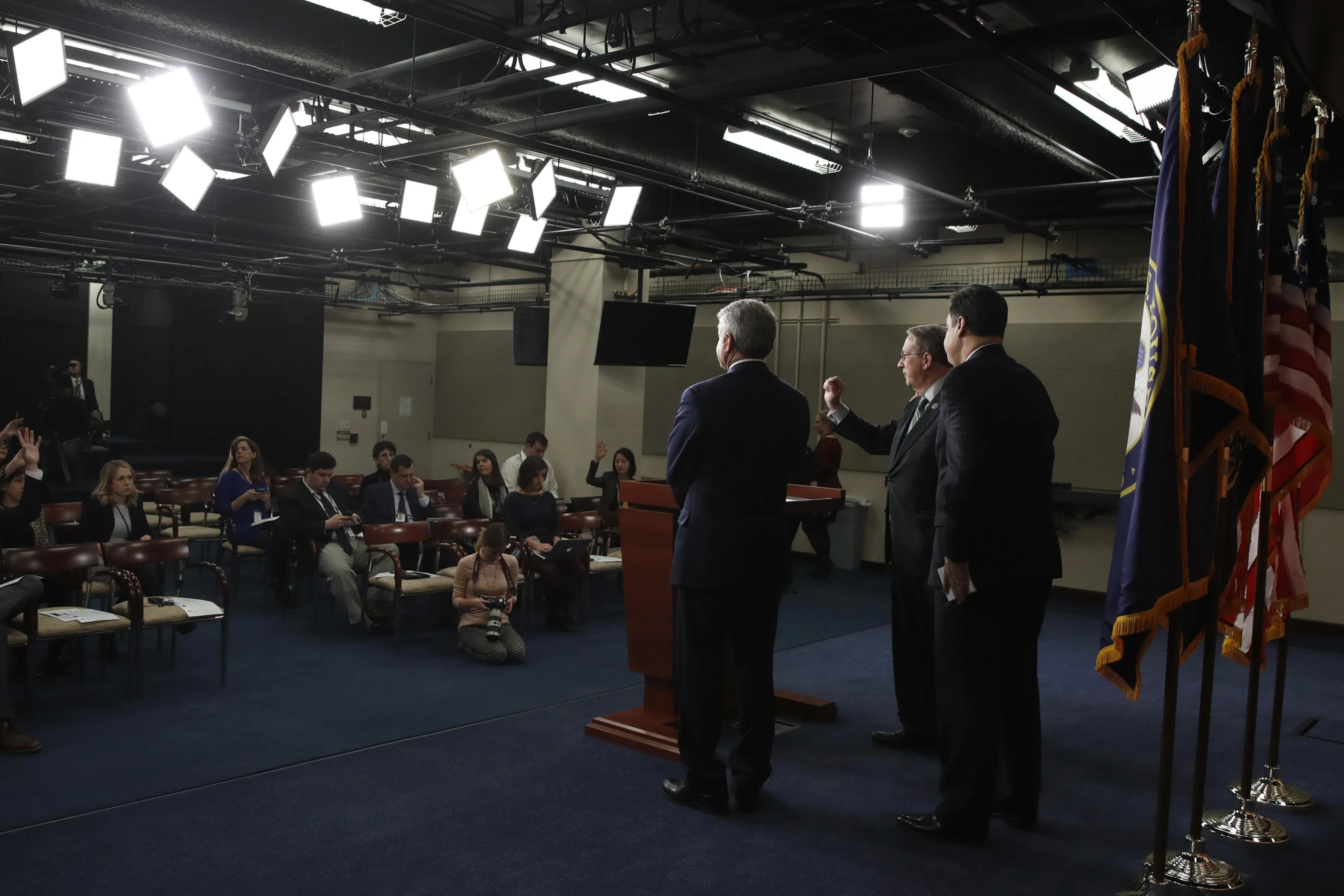
In June, the House Ethics Committee required members of Congress to disclose their cryptocurrency holdings alongside the rest of their financial assets. They did so in an attempt to increase transparency in government affairs. Now, two months later, Representative Bob Goodlatte, Chair of the House Judiciary Committee, is making history. He has just become the first member of the United States government to openly report investments in digital assets.
Goodlatte filed the form in May, before the new rule came into effect. Now, according to his released financial disclosure form, he holds up to $80,000 in cryptocurrencies. Currently, Bitcoin is his largest investment. The congressman also holds smaller amounts of Ethereum and Bitcoin Cash.
Goodlatte may have invested in digital assets because of his son, Bobby Goodlatte Jr. He was an angel investor in Coinbase, one of the largest and most mainstream cryptocurrency exchanges. Goodlatte Jr. has engaged in price speculation in the past. He also has taken a strong interest in defending blockchain technology, which may have influenced his father.
Other Officials Holding Cryptocurrency?
While Goodlatte is currently the only member of Congress to disclose his digital assets, it is expected that many more will reveal their holdings, as now required. For example, Rep. Jared Polis was a co-founder of the Congressional Blockchain Caucus (CBC), and is one of the richest members of Congress with an estimated net worth of $122 million. Rep. Gianforte is the second richest member of Congress with an estimated net worth of $135.7 million. He is also a member of the CBC. Both have openly voiced support for the blockchain, which makes it likely that they have invested in crypto.
With members of Congress investing into the blockchain with their own funds, the future looks bright. The currency has already started to face better conditions in the legislative system, and with these updates, we can only expect this pattern to continue.