Baltimore to Stop Prosecuting Marijuana Possession Cases
Claiming that marijuana possession citations unfairly impact minorities, a State Attorney for Baltimore said she would stop prosecuting such cases.
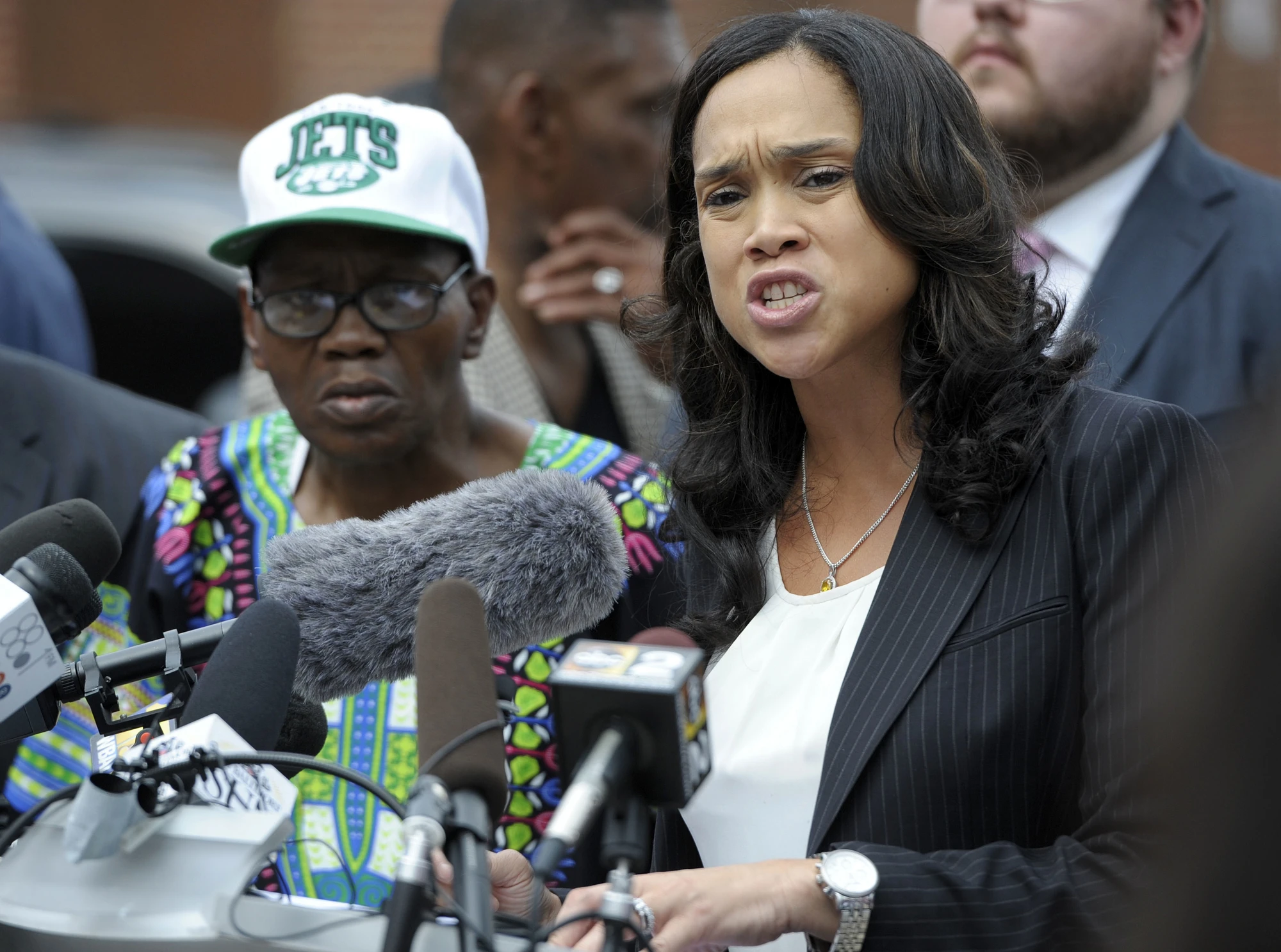
Marilyn Mosby, State of Maryland Attorney for Baltimore, announced on Tuesday that she would stop prosecuting cases of marijuana possession. Mosby told NBC News, “For far too long, we have sat back and watched idly as communities and families are literally destroyed by the failed policies of the war on drugs”. She also argued that marijuana laws disproportionally affect blacks, saying that they receive “the majority of citations”. This is an argument that proponents of marijuana legalization push consistently. Without a doubt, it looks like the Democratic prosecutor believes it.
Mosby said prosecuting marijuana possession is “costly and counterproductive to the limited resources we have in the city of Baltimore”. The attorney who oversaw the infamous Freddie Gray investigation stated, “If you ask a mother who lost her son where she would like you to use those resources, she will tell you, ‘l want you to use those resources to find my son’s killer,’ as opposed to jailing and incarcerating people for possession of marijuana.”
New Marijuana Laws in Baltimore
Within the limits of Baltimore, the government will not prosecute those possessing marijuana, no matter the weight or criminal history. Mosby also announced several other changes to Baltimore city marijuana policy. For example, the city will only prosecute cases of distribution of marijuana if police can present evidence of intent to distribute beyond possession. Even in these cases, however, there will be some legal change. All people receiving charges for the first time with felony possession with intent to distribute or with felony distribution will be referred to diversion programs. As part of these major reforms, Mosby is looking to vacate nearly 5,000 cases of possession of marijuana, dating back to 2011.
Mosby’s announcement comes as 10 states and Washington, D.C., have legalized recreational marijuana. Moreover, a growing number of prosecutors nationwide have announced they will no longer prosecute marijuana possession cases. Overall, the nation is beginning to reconsider its stance on marijuana use. Several other states could also legalize marijuana soon, including traditionally red states Kentucky and West Virginia.