Tennessee Bill Aims to End Life Sentences Without Parole for Juveniles
A bipartisan Tennessee bill would end life-without-parole for crimes committed as a juvenile.
Two elected officials in the Tennessee state government, Senator Akbari and Representative White, are working to “prohibit sentencing persons to life without parole for crimes committed when a juvenile”. The bill also mandates juveniles sentenced for more than 30 years be eligible for parole after 30 years. Incarcerated individuals may apply for parole as long as they meet “certain standards” for 20 years. Each rule applies to people who received a sentence of more than 30 years for an offence committed while a juvenile.
As of August 2017 in Tennessee, there are 13 inmates serving life without parole for crimes committed as juveniles in, and roughly 100 other juvenile offenders who must serve a minimum of 51 years before being eligible for parole. Juvenile Life Without Parole (JLWOP) is a hot-button issue, especially because the USA is the only country in the world to sentence children to life without parole.
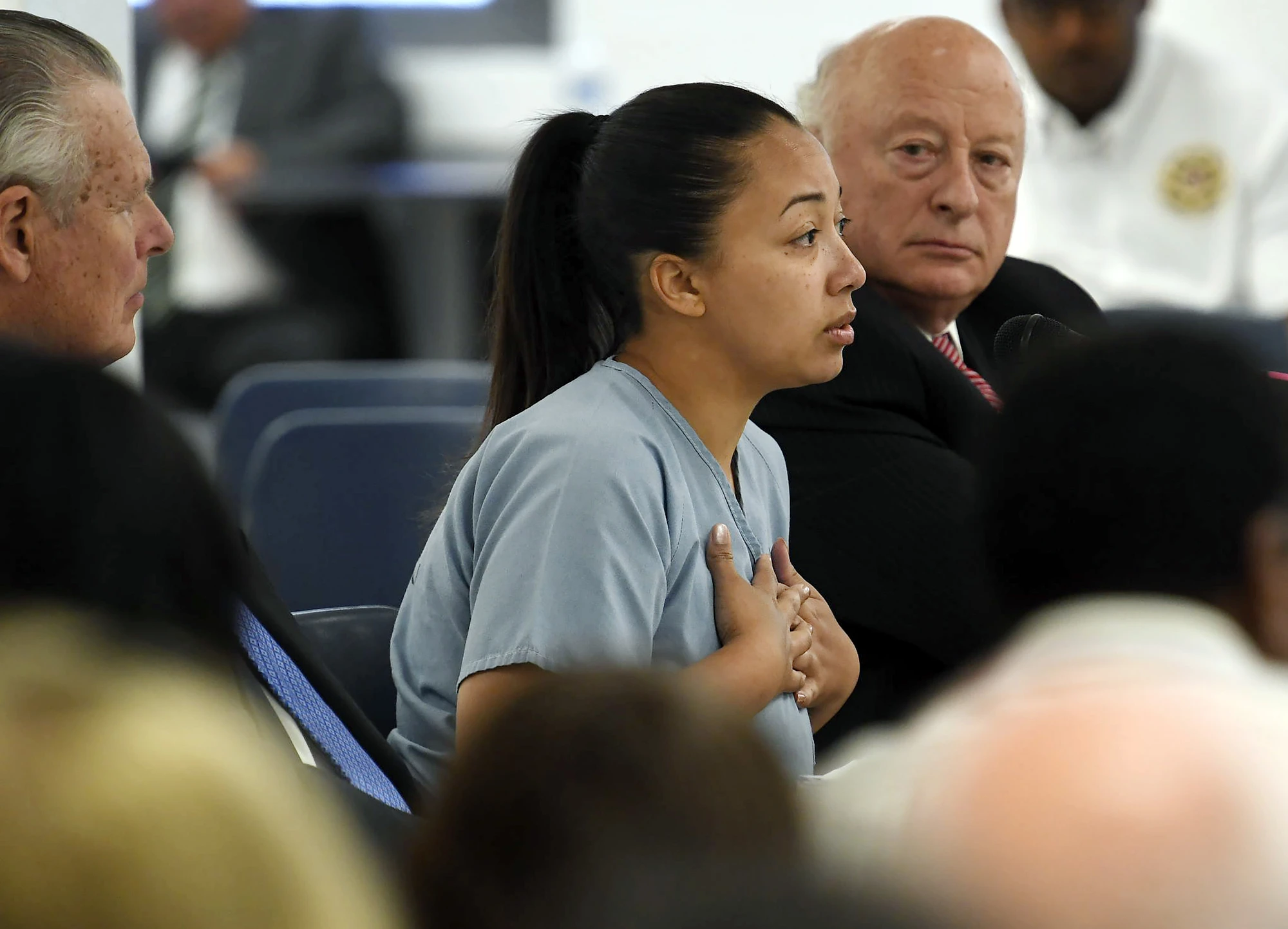
Tennessee is at the front of this issue as Cyntoia Brown, the woman who killed a man allegedly soliciting her, was sentenced to life without parole at 16. Since then, the Supreme Court struck down sentencing juveniles to life without the possibility of parole. The ruling was made on the grounds of 8th Amendment violation.
It is still possible to sentence adults for crimes they committed as juveniles to life without the possibility of parole. This bill attempts to prohibit such occurrences. It also seeks to create better parole opportunities for those sentenced to over 30 years for crimes committed as juveniles. This bill has garnered bipartisan support, with Sen. Akbari being a Democrat and Rep M. White being a Republican. They come from Shelby County, Tennessee, and Memphis County, Tennessee, respectively.
Read the bill here.